How to Prepare Your Home and Family for Any Natural Disaster
Busy parents juggling work and caregiving, first-time homeowners, and renters managing tight budgets often put natural disaster preparedness off until a warning hits. The tension is simple: emergencies demand fast decisions, but most households lack disaster risk awareness, clear roles, and basic emergency safety measures when the power goes out or roads close.
A disaster-ready baseline turns panic into priorities and makes the emergency readiness importance obvious in real time. Prepared households reduce preventable harm and support community resilience.
Finish Your Home Disaster-Ready Basics
Start with a simple baseline: This checklist cuts through overwhelm so you can act fast when conditions change. Knock these out in one short session, then refine over time.
✔ Identify local hazards and set two ways to get alerts
✔ Assign family roles for pets, kids, medical needs, and shutoffs
✔ Map two evacuation routes and one reunification meeting spot
✔ Stock a three-day disaster supplies list for each person
✔ Store water and shelf-stable food where you can grab it quickly
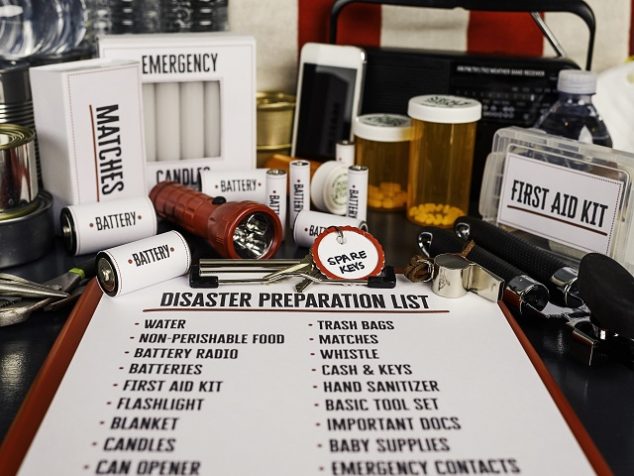
✔ Check safety equipment essentials: flashlight, batteries, radio, extinguisher
✔ Photograph key documents and save copies in a waterproof bag
Do this once now, then schedule a quick refresh every season.
Build Your Kit, Plan, and Supplies in One Hour
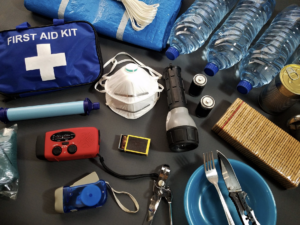
You don’t need a perfect setup, you need a usable one. Set a timer for one hour and get the basics in place so the home-safety steps you already handled (alerts, shutoffs, fire extinguisher, evacuation routes) are backed by real supplies and a clear plan.
- Do a 10-minute “grab-and-go” kit build: Pick one bag per adult plus one for pets, then drop in the basics: flashlight/headlamp, spare batteries, phone charger, small first-aid kit, whistle, warm layer, mask, and a day of any essential meds. Add cash in small bills and a written list of key phone numbers in case your phone is dead. Keep these bags by the most likely exit, not buried in a closet.
- Set water first, using a simple target: Water fixes more problems than almost anything else, dehydration, sanitation, and basic cooking. A clear guideline is to store 14 gallons per person, which can cover roughly two weeks; scale up or down based on your household and local risks. Start today by filling whatever clean containers you already have, then label them with the date and place them where they won’t freeze or bake.
- Stock nonperishable food you’ll actually eat: Aim for 3 days now, then build toward 2 weeks with small weekly additions. Choose shelf-stable, no-cook or quick-cook foods: canned beans, tuna/chicken, nut butter, instant oatmeal, shelf-stable milk, granola, crackers, and ready-to-eat fruit cups. Add a manual can opener and a simple “one meal per person per day” note so you don’t overthink portions under stress.
- Write a one-page disaster action plan (not a novel): Put it on one sheet: how you’ll get alerts, two meeting spots (one near home, one out of the neighborhood), and an out-of-area contact everyone can call or text. List how you’ll shut off gas/water/electric if you’ve identified those shutoffs in your home basics checklist. Add a quick “if/then” box: If evacuating, then grab bags + lock doors + leave a note + go.
- Stage supplies where you’ll use them: Keep your emergency preparedness kits near exits, water in a cool accessible spot, and a small “shelter-in-place” bin where you’ll ride it out (often a hallway closet). Put duplicates where it matters: a flashlight in each bedroom, a small first-aid kit in the kitchen and car, and shoes by beds for earthquake or storm debris. This reduces decision-making when the power is out and everyone is stressed.
- Optional: Make emergency documents usable in 60 seconds: Put IDs, insurance info, medical lists, and home/photos inventory in a single folder or zip pouch you can grab. Add a simple cover sheet with policy numbers, account login recovery steps, and your out-of-area contact. If you want more structure, the CMS collection of emergency preparedness resources can help you fill gaps without reinventing your own templates.
Once you’ve got these basics staged, staying ready becomes mostly small check-and-rotate habits, not big, stressful overhauls.
Small Routines That Keep You Disaster-Ready
Build readiness with small, repeatable routines.
These habits prevent supplies from expiring, plans from going stale, and family members from guessing under stress. A few minutes a week keeps your setup usable, not just well-intentioned.
Weekly Kit Touch-Up
- What it is: Check chargers, lights, meds, and a spare set of keys in each go-bag.
- How often: Weekly
- Why it helps: Small fixes now prevent dead batteries and missing essentials later.
Two-Item Pantry Add
- What it is: Add two shelf-stable meals your family already eats to your groceries.
- How often: Weekly
- Why it helps: You build depth without a big, expensive shopping trip.
Water Date-Swap
- What it is: Rotate one container and relabel it with a fresh date.
- How often: Monthly
- Why it helps: Clean water stays reliable for drinking, hygiene, and basic cooking.
5-Minute Family Drill
- What it is: Practice “exit, meet, message” and have everyone say the out-of-area contact.
- How often: Monthly
- Why it helps: Muscle memory reduces panic and speeds up decisions.
Seasonal Home Hazard Sweep
- What it is: Do a quick walk-through to spot loose furniture, clogged gutters, and trip hazards.
- How often: Each season
- Why it helps: The dollar invested in preparedness can pay back by reducing preventable damage.
Pick one habit this week, keep it simple, and tune it to your household.
Common Disaster Prep Questions, Answered
Small routines help, but questions still come up fast.
Q: What are the essential steps to create an effective disaster preparedness plan for my family?
A: Pick two meet-up spots, one nearby and one out of the neighborhood, and choose an out-of-area contact everyone can reach. Write simple roles for each person, including who grabs meds, who takes pets, and who shuts off utilities if safe. Keep the plan on paper and digitally, and run a short practice monthly so no one is guessing.
Q: How can I identify the most common natural hazards in my area to better prepare for them?
A: Check your local emergency management site, your utility’s outage map history, and your insurer’s past-claims notes for your ZIP code. Ask neighbors what actually happens, such as flooding at a specific intersection or wind damage on your street. Use the top two risks to guide what you buy and what you practice first.
Q: What items should be included in a comprehensive emergency preparedness kit?
A: Cover water, calories, light, first aid, sanitation, and warmth, plus cash, copies of IDs, and a short medication list. Add chargers, a battery radio, and comfort items for kids to reduce panic. Store key paperwork in a waterproof pouch, and keep encrypted digital backups; many families also combine scans into one shareable PDF for quick access, and some use tools for merging PDFs quickly.
Q: How do I plan for power outages and ensure my home remains safe during a disaster?
A: Decide how you will handle heat or cooling, food safety, and medical devices before the lights go out, then stage supplies where you can reach them in the dark. Use flashlights instead of candles, and know how to manually open your garage door and where your main shutoffs are. Review your disaster insurance coverage now so you know what documentation and temporary repairs are allowed.
Q: If I run a home-based business, how can I protect it and maintain operations during a natural disaster?
A: Write down the steps your business will take to keep serving customers when your home is disrupted, including how you will communicate, where you will work, and what you will do if the internet is down. Back up customer files, receipts, and key contracts to the cloud and an offline drive, and keep a printed contact list. Photograph equipment, store serial numbers, and confirm your insurance covers business property and interruption.
Prep is calmer when decisions are made once and written down.
Turn Natural Disaster Plans Into Real Family Readiness
Disasters don’t schedule themselves, and most families get stuck between worry and “we’ll handle it later.” The fix is a steady, proactive emergency planning mindset: cover the basics, keep essentials together, and make information easy to grab, especially paperwork and digital backups, so personal safety implementation isn’t left to memory. When the power goes out or an evacuation order hits, key disaster preparedness takeaways turn into calm, faster decisions instead of scrambling. Preparedness is choosing now, so panic doesn’t choose later. Pick one step today, update your emergency contacts, confirm your document backups, or check your insurance details, and finish it. That small follow-through is how natural disaster readiness encouragement becomes everyday stability and resilience.