THE BEST TIME TO DEVELOP A MITIGATION PROJECT IS NOT WHEN THE GRANT NOTICE IS RELEASED
One of the most common challenges we see in disaster mitigation isn’t a lack of good ideas.
It’s a lack of grant-ready projects.
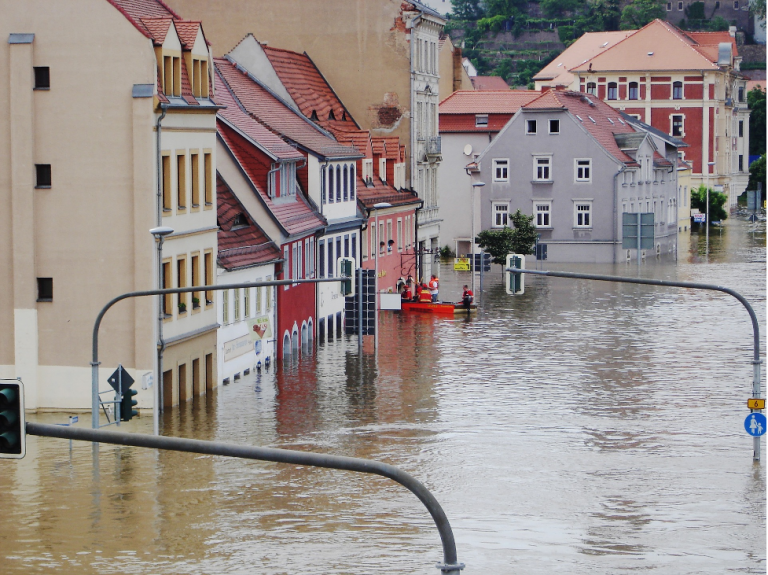
A community may know exactly where it floods.
It may know which critical facility needs a generator.
It may know which neighborhood is vulnerable to wildfire.
It may know where a landslide threatens homes or infrastructure.
It may know that its warning systems, drainage infrastructure, safe rooms, communications systems, or critical facilities need improvement.
But knowing there is a problem and having a federally fundable mitigation project are two very different things.
When a funding opportunity opens, the clock starts.
That is not the ideal time to begin asking:
What exactly are we building?
What will it cost?
Who owns the property?
Is it technically feasible?
What environmental issues exist?
Does it meet current codes and standards?
Can we demonstrate the risk?
What data supports the project?
Will the project be cost-effective?
Do we have the required local match?
Can we actually deliver it within the required period of performance?
These questions should be answered before the funding opportunity arrives.
At the National Emergency Planning and Training Association (NEPTA), we encourage communities to think beyond simply maintaining a list of mitigation ideas.
Develop a Mitigation Project Pipeline.
Identify your highest risks.
Prioritize projects.
Develop preliminary scopes of work.
Establish conceptual cost estimates.
Gather maps, photographs and supporting documentation.
Evaluate environmental and historic preservation considerations.
Identify potential Benefit-Cost Analysis data.
Determine property ownership and site-control requirements.
Identify potential funding programs and matching-fund sources.
Then continuously move your highest-priority projects toward grant readiness.
Because when the next HMGP, FMA, BRIC, CDBG-MIT/DR, state resilience, infrastructure, or other funding opportunity becomes available, the jurisdictions that have already done the groundwork are positioned to move.
Prepared communities shouldn’t chase funding opportunities.
They should have projects ready when funding opportunities arrive.
There is an important distinction between having a Hazard Mitigation Plan and having a pipeline of implementation-ready mitigation projects.
The plan identifies the risk.
The project reduces it.
At NEPTA, that is where preparedness, mitigation planning, engineering, cost estimating, grant development, program management and long-term resilience come together.
What are the top three mitigation projects your community would pursue tomorrow if funding became available?
If that question is difficult to answer, now may be the right time to start building the pipeline.
National Emergency Planning and Training Association (NEPTA)
Preparedness • Response • Recovery
#NEPTA #EmergencyManagement #HazardMitigation #DisasterPreparedness #FEMA #HMGP #FMA #BRIC #CDBGDR #GrantManagement #MitigationPlanning #CommunityResilience #ResilientInfrastructure #DisasterRecovery #EmergencyPlanning #myredfolder