
Clients
Municipalities of Juana Díaz, Aibonito, Caguas, Peñuelas, and Loíza, Puerto Rico
Programs Utilized
• Hazard Mitigation Grant Program (HMGP)
• Hazard Mitigation Planning (HMP)
• CDBG-MIT (coordination support)
Project Focus
• FEMA-compliant Safe Room Development (FEMA 361 / ICC-500)
• Large-Scale Drainage Infrastructure Improvements
• Multi-phase mitigation strategy (Planning → Design → Implementation)
Executive Summary
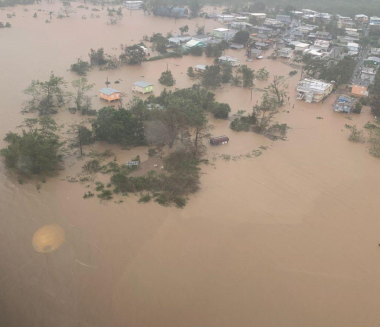
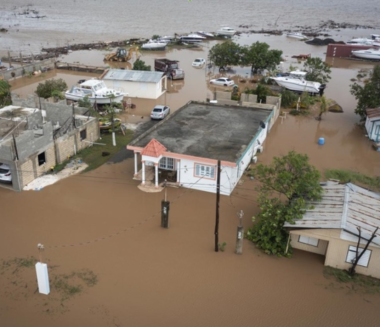
Following the devastating impacts of Hurricane Maria, the municipalities of Juana Díaz, Caguas, Aibonito, Peñuelas, and Loíza faced significant flood risk, infrastructure deficiencies, and lack of hardened community sheltering options.
The National Emergency Planning and Training Association (NEPTA) was engaged to provide end-to-end grant development, technical mitigation planning, and project formulation services to secure federal funding and deliver long-term, risk-reducing infrastructure solutions.
Through a structured and compliance-driven approach, NEPTA supported the successful development of Hazard Mitigation Plans and HMGP applications, resulting in:
• $8.2 Million in secured funding
• 620 homes protected through drainage improvements
• Deployment of eligible safe room facilities for life safety protection
• Advancement of multi-phase, construction-ready mitigation projects
Challenge
Post-Hurricane Maria conditions revealed:
• Repetitive flooding impacting residential neighborhoods and critical corridors
• Undersized or failing drainage systems unable to handle stormwater volumes
• Limited access to compliant safe rooms, exposing residents to life-threatening wind events
• Municipal constraints in:
◦ Federal grant navigation
◦ FEMA compliance requirements
◦ Cost estimating and Benefit-Cost Analysis (BCA) development
◦ Environmental and Historic Preservation (EHP) coordination
Additionally, FEMA funding eligibility required clearly defined mitigation measures, not conceptual or study-only efforts—necessitating fully engineered, defensible project scopes.
NEPTA Approach
NEPTA implemented a structured, FEMA-aligned methodology designed to reduce RFIs and accelerate funding approval:
1. Hazard Mitigation Planning Integration
• Developed and/or enhanced local Hazard Mitigation Plans (HMPs)
• Identified high-risk flood zones and vulnerable populations
• Established project prioritization tied to documented risk
2. Engineering-Driven Project Scoping
• Defined true mitigation scopes (not repairs or capital improvements)
• Integrated:
◦ Hydrologic & hydraulic considerations
◦ Drainage conveyance improvements
◦ Detention and runoff management strategies
3. Safe Room Development Strategy
• Designed FEMA 361 / ICC-500 compliant community safe rooms
• Ensured:
◦ Life-safety capacity requirements
◦ Wind load compliance
◦ Accessibility and operational feasibility
4. Cost Estimating & Budget Development
• Developed itemized, non-lump sum budgets using:
◦ RSMeans
◦ FEMA Cost Estimating Format (CEF) principles
• Ensured alignment with:
◦ 2 CFR 200 cost reasonableness
◦ FEMA eligibility requirements
5. Benefit-Cost Analysis (BCA)
• Produced defensible BCA models demonstrating:
◦ Avoided damages
◦ Risk reduction
◦ Long-term economic benefit
• Achieved BCR ≥ 1.0, meeting FEMA thresholds
6. Environmental & Historic Preservation (EHP) Readiness
• Conducted preliminary evaluations for:
◦ NEPA
◦ Floodplain compliance (EO 11988)
◦ Cultural/historic considerations
• Reduced downstream delays during FEMA review
7. Full Application Development & Compliance
• Prepared complete HMGP applications, including:
◦ Detailed scope narratives
◦ Supporting maps (FIRM, TOPO, Vicinity)
◦ Staging areas and logistics
◦ NEMIS supplemental forms
• Structured submissions to minimize FEMA RFIs
Solution
NEPTA delivered a comprehensive mitigation portfolio consisting of:
A. Large-Scale Drainage Improvements
• Expansion and enhancement of stormwater systems
• Channel conveyance improvements
• Floodwater diversion and retention strategies
Impact:
• Direct protection of 620+ residential structures
• Reduction in repetitive flood losses
• Increased system capacity for future storm events
B. Community Safe Rooms
• Strategically located, code-compliant safe room facilities
• Designed to withstand extreme wind events and hurricanes
• Integrated into municipal emergency response frameworks
Impact:
• Enhanced life safety protection for vulnerable populations
• Reduced reliance on non-compliant sheltering options
C. Multi-Phase Implementation Strategy
• Phase I: Planning, design, permitting, and approvals
• Phase II: Construction and deployment
Impact:
• Enabled scalable project delivery
• Allowed municipalities to move from concept to construction-ready projects
Results
• $8.2+ Million in federal mitigation funding secured
• 620+ homes protected from flood risk
• Multiple municipalities positioned for long-term resilience
• Projects structured to withstand FEMA eligibility, cost, and EHP review
Key Differentiators
NEPTA’s success was driven by:
• FEMA Reviewer-Level Application Development
• Engineering-informed mitigation scoping (not conceptual)
• Audit-ready budgets and compliance documentation
• Proactive RFI mitigation strategy
• Deep experience across:
◦ HMGP
◦ CDBG-MIT
◦ Infrastructure resilience programs
Client Impact
The municipalities of Juana Díaz, Aibonito, Peñuelas, and Loíza are now equipped with:
• Funded, implementable mitigation projects
• Improved community resilience against future disasters
• Reduced long-term recovery costs and economic disruption
• Enhanced public safety and emergency preparedness
Conclusion
NEPTA’s integrated approach to hazard mitigation planning, grant development, and infrastructure design enabled these municipalities to transition from disaster recovery to long-term resilience and risk reduction.
This case study demonstrates NEPTA’s ability to deliver federally compliant, technically sound, and funding-ready solutions that protect both lives and property.